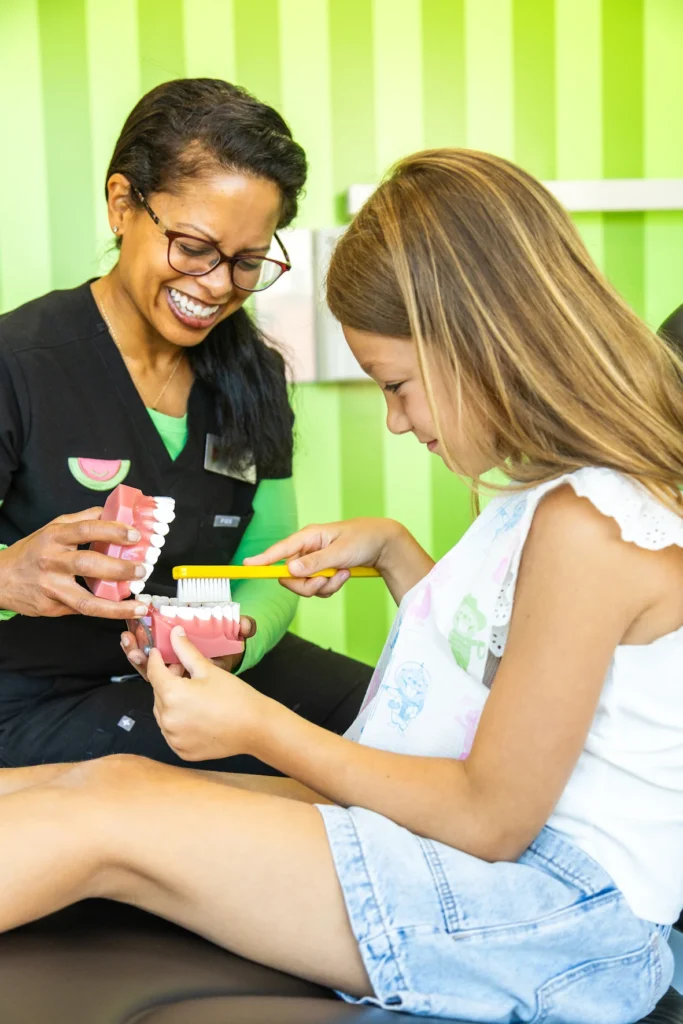
Yes, you should fluoride toothpaste every day twice a day. Fluoride is the most important ingredient in toothpaste as it prevents cavities. You only need a small amount of fluoride toothpaste on your brush. Place a pea sized amount of toothpaste on your brush and brush for 2 minutes twice a day with a soft bristled brush. Spit out all the toothpaste after brushing the front, top and back of each tooth.
Fluoride has been proven to be safe and effective and is supported by Health Canada. For people 12 years and older, I recommend using a toothpaste with stannous fluoride as it does more than just prevents cavities. It also prevents gum disease, sensitivity and enamel erosion. Toothpastes with stannous fluoride include: Crest Gum Detoxify and Colgate Periogard. For kids between 3 and 6, place a rice grain amount of sodium fluoride toothpaste on their brush and teach them to spit.
Before age 3, consult with a dentist in Bolton to determine if fluoride toothpaste is necessary. Kids below age 3 at risk of decay should use a toothpaste with fluoride. Kids below age 3 with a low risk of decay can brush without toothpaste or use a safe to swallow toothpaste.
An alternative to fluoride to prevent decay is xylitol. Xylitol is effective, but there is more evidence to support fluoride in decay prevention. An example of a xylitol toothpaste for all ages is CariØ by Oral Science.
Everyone should brush twice a day as soon as the first tooth erupts.
Yes, you should floss daily or use another safe way to clean between your teeth every day such as floss sticks, water flossers or an interdental brush. Brushing your teeth is not enough as it can’t get between your teeth.
Clean between your teeth once a day and when you get food stuck between your teeth. Leaving food and plaque between your teeth will lead to gum disease and tooth decay. It also gives you bad breath.
Start flossing kids teeth when you see 2 teeth touching side by side. The most common area where kids get cavities is in between their baby molars. Make it easy to floss your kids teeth by doing it when they are laying down and watching a video or reading a book.
When using floss or floss sticks, make sure you are moving the floss up and down gently along the side of each tooth in a c-shape by hugging each tooth. Just don’t pull the floss up and down between the teeth. Hug the sides of each tooth so the floss gets down underneath the gums.
If your gums bleed when you floss, don’t stop flossing. Bleeding gums means food and/or plaque has been sitting there a long time. This means you have to spend more time cleaning that area. Floss that area as well as your other teeth every day and you will notice your gums will become stronger and stop bleeding. When you floss every day, your gums won’t bleed.
Clean in between your teeth daily and you will notice your breath will be fresher, and your mouth will feel more comfortable without food stuck in between your teeth. Make it easy to remember to floss by leaving floss in your car, at your desk and near the couch. Floss on!
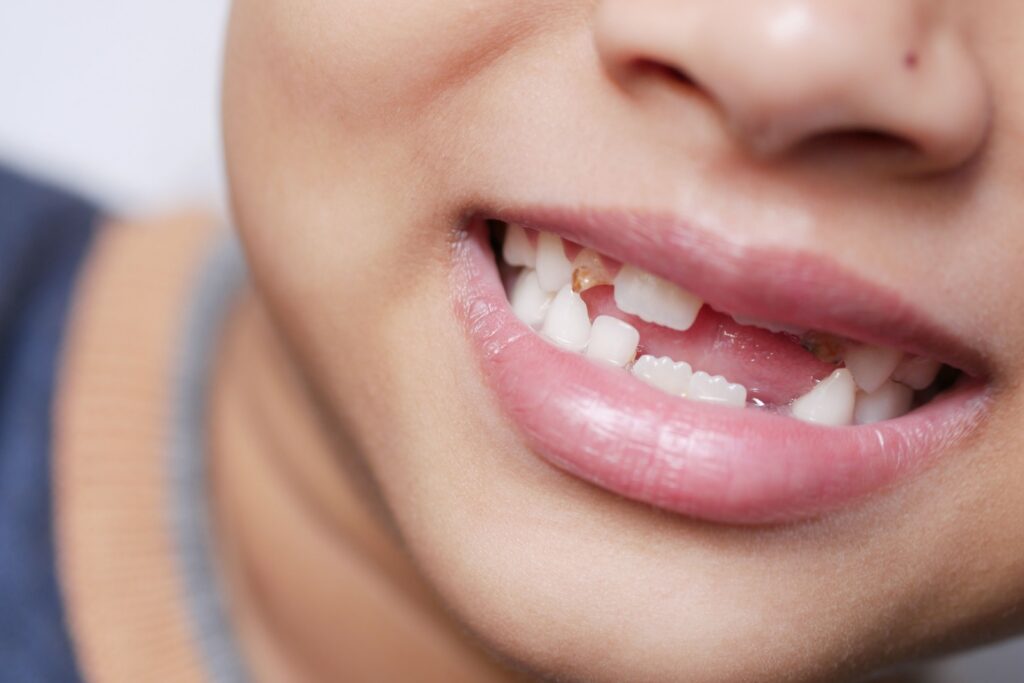
Read Also: Why is My Child’s Tooth Grey or Brown?
 Which Toothbrush Should I Use?
The best toothbrush is a power toothbrush. There is strong research which proves they work better than a manual toothbrush. The evidence suggests an oscillating rotating power brush is superior. I use the Oral B iO power brush twice a day as the evidence shows it is the best way to brush my teeth. Power toothbrushes can be used starting at age 3. You will feel refreshingly clean when you use a power toothbrush.
Brush for 2 minutes morning and night with a soft-bristled toothbrush with a pea-sized amount of toothpaste with fluoride and spit afterwards.
Kids should brush making a circle along each tooth. For people, 12 years and older, gently place the bristles at the gum line, brush in little circles and sweep along the tooth away from the gum line. The only place you can scrub your teeth is on the chewing surfaces as there is no gum there to damage.
Don’t use a lot of force when you brush. Your bristles should be straight. If they are curved, you are brushing too hard. Brushing hard or using a medium or hard bristled brush will cause your gums to recede. This will make your teeth look yellow and long and will cause sensitivity. Avoid gum recession by brushing with a light touch and brushing in gentle circles by the gum line where plaque sits. Never scrub side to side by your gums. Never use a lot of force when you brush. Never use a medium or hard bristled toothbrush.
Kids should brush making a circle along each tooth. For people, 12 years and older, gently place the bristles at the gum line, brush in little circles and sweep along the tooth away from the gum line. The only place you can scrub your teeth is on the chewing surfaces as there is no gum there to damage.
The best times to brush are in the morning and before bedtime. In the morning, brush before breakfast or wait 60 minutes to brush after breakfast if you had anything acidic for breakfast such as coffee, tea, juice or most fruit. Brushing right after having something acidic will cause the acid to penetrate deeper in the enamel leading to enamel erosion which can lead to sensitivity and/or decay.
Brushing before bed is the most important time to brush as your mouth doesn’t make much saliva at night. Saliva helps clean your mouth. Without much saliva, food and bacteria left on your teeth overnight may cause cavities and gum disease. Brush after flossing as flossing will remove food and plaque between your teeth allowing fluoride in toothpaste to get in between your teeth preventing decay.
Change your toothbrush or power brush head every 3 months. Brush the front, top and back of each tooth for a total of 2 minutes twice a day. Start brushing as soon as the first tooth erupts. Parents should help kids brush their teeth until the age of 10.
Remember to brush 2 times a day for 2 minutes with a soft bristled toothbrush with a gentle touch.